Saltimbocca alla Romana: The Roman Classic That Literally Jumps in Your Mouth
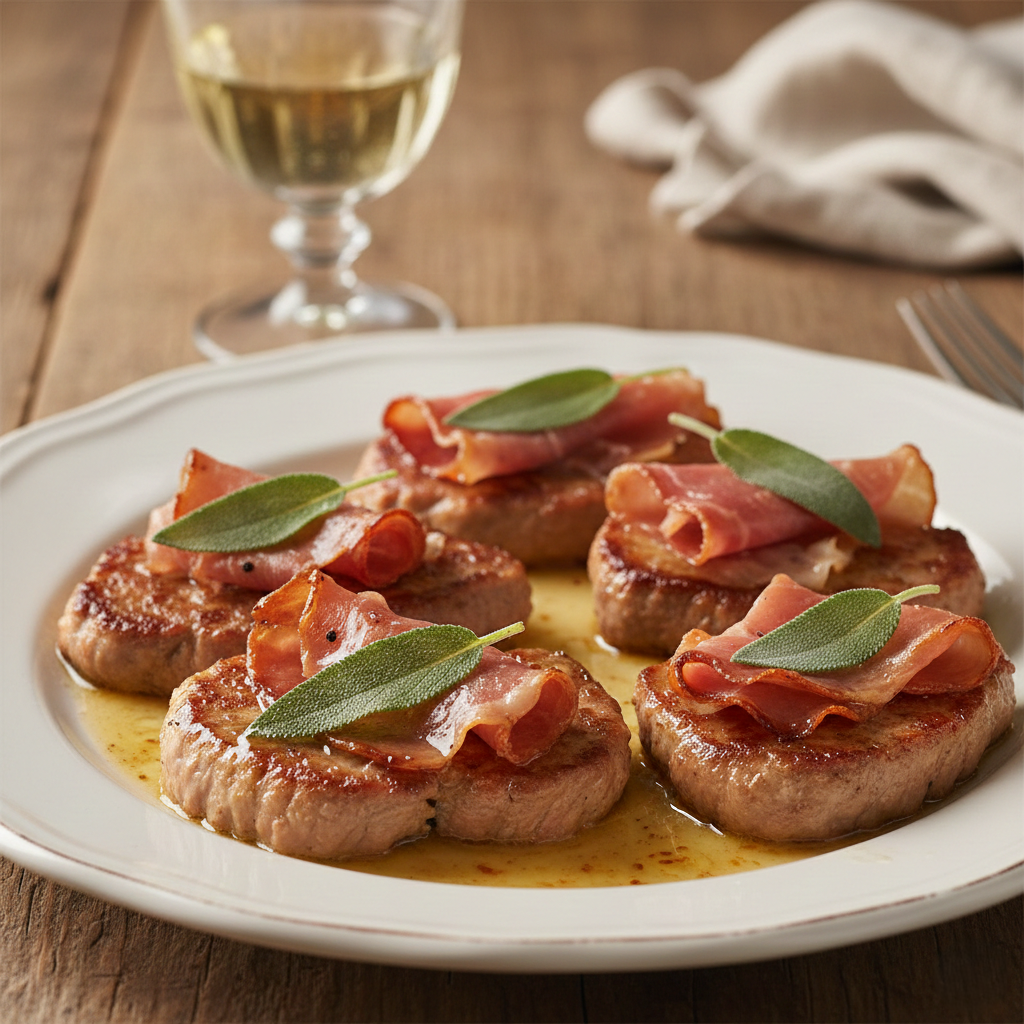
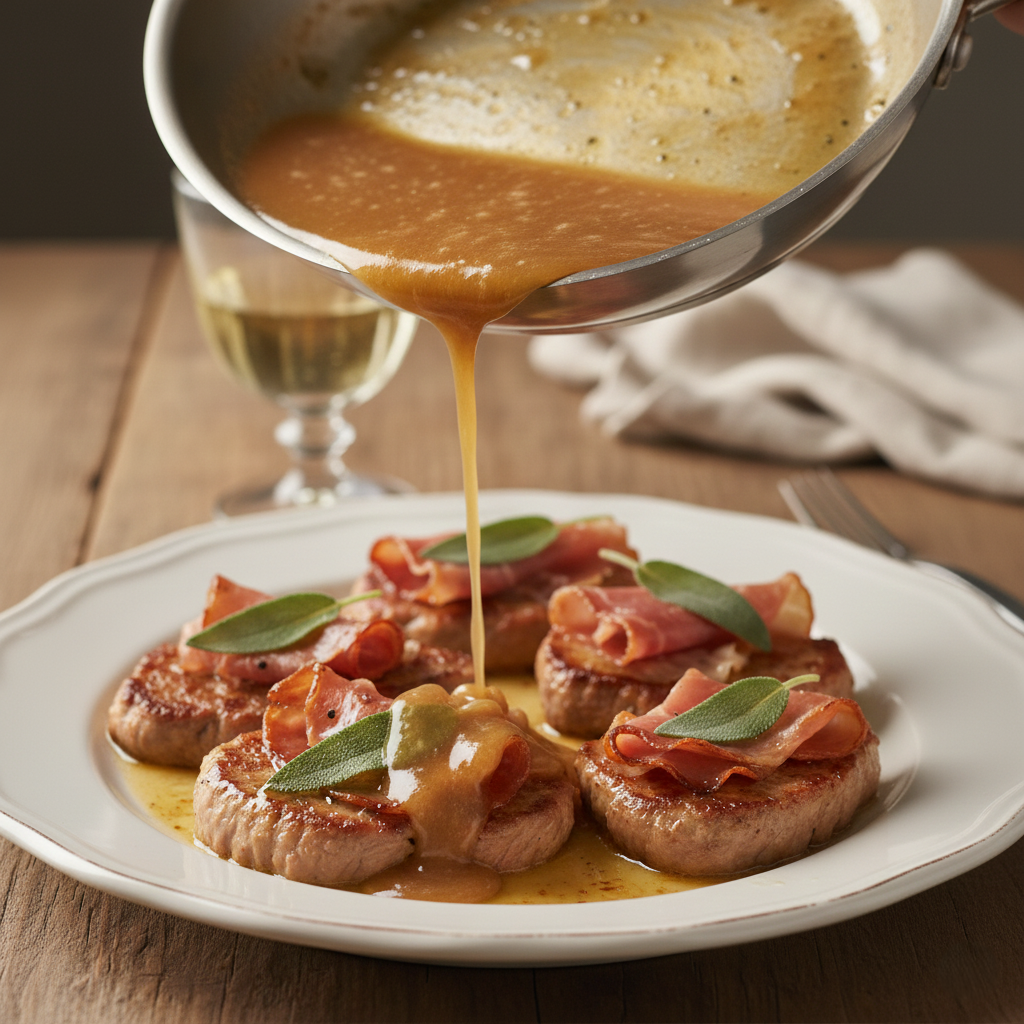
A close-up of the finished dish, ready to be served.
Imagine sitting at a small, wobbly table covered in a red-checkered cloth, tucked away in a cobblestone alley in the Trastevere neighborhood of Rome. The air is thick with the scent of browned butter and aromatic herbs. A waiter places a plate in front of you, and the aroma hits you instantly: the earthy, pine-like fragrance of fresh sage, the savory punch of cured pork, and the rich, wine-infused steam rising from tender veal.
This isn’t just dinner; it is an experience.
Welcome to the world of Saltimbocca alla Romana. The name itself is a promise. Derived from the Italian saltare (to jump) and bocca (mouth), it translates to “jumps in the mouth.” And believe me, it does. This dish creates a flavor explosion so sudden, so savory, and so satisfying that it demands your full attention.
If you are looking for a high-protein meal that screams “romantic dinner” without requiring you to spend four hours over a hot stove, you have found your match. Let’s bring the Eternal City into your kitchen.
Why You Need This Dish in Your Repertoire
Why should you make Saltimbocca tonight? Because it is the ultimate “high reward, low effort” meal. In the culinary world, we often assume that complex flavors require complex techniques. Saltimbocca shatters that myth.
This dish relies on the power of umami synergy. You are taking mild, tender veal and marrying it with the intense saltiness of prosciutto and the woody perfume of sage. When these three hit the hot butter, they transform. It is elegant enough for an anniversary dinner but quick enough for a Tuesday night when you need something comforting.
Furthermore, if you are focusing on a high-protein diet, this is a luxurious break from the standard grilled chicken breast. It feels indulgent because of the butter and wine sauce, but the core is lean, nutrient-dense meat.
A Taste of Roman History
To cook Saltimbocca is to participate in a culinary tradition that dates back over a century. While its exact origins are sometimes debated (some claim Brescia, in the north), it has been adopted wholeheartedly by Rome. It represents the heart of Roman cooking: few ingredients, exceptional quality, and bold flavors.
Food in Rome is rarely fussy. It is visceral. It connects you to the land—the vineyards that produce the crisp white wines of Lazio, and the curing traditions of Italian pork. When you pin that sage leaf to the veal, you are engaging in a ritual that Italian nonnas and professional chefs have performed for generations. It is a dish meant to be shared with someone you love, accompanied by a glass of the same white wine you used for the sauce, and plenty of laughter.
The Culinary Science You Will Learn
Beyond the delicious taste, mastering this recipe adds crucial techniques to your culinary toolkit. Here is the value you will get out of this cooking session:
- Meat Pounding (Escalope Technique): You will learn how to properly pound meat to a uniform thickness. This isn’t just about making it thinner; it breaks down muscle fibers, ensuring the veal melts in your mouth and cooks evenly in seconds.
- The Maillard Reaction: You will master the art of the sear. By dusting the meat in flour and hitting hot fat, you create a golden-brown crust that creates deep, savory flavor.
- Deglazing and Pan Sauces: This is the secret weapon of all great chefs. You will learn to lift the fond (the caramelized brown bits stuck to the pan) using wine to create a silky, emulsified sauce in less than two minutes.
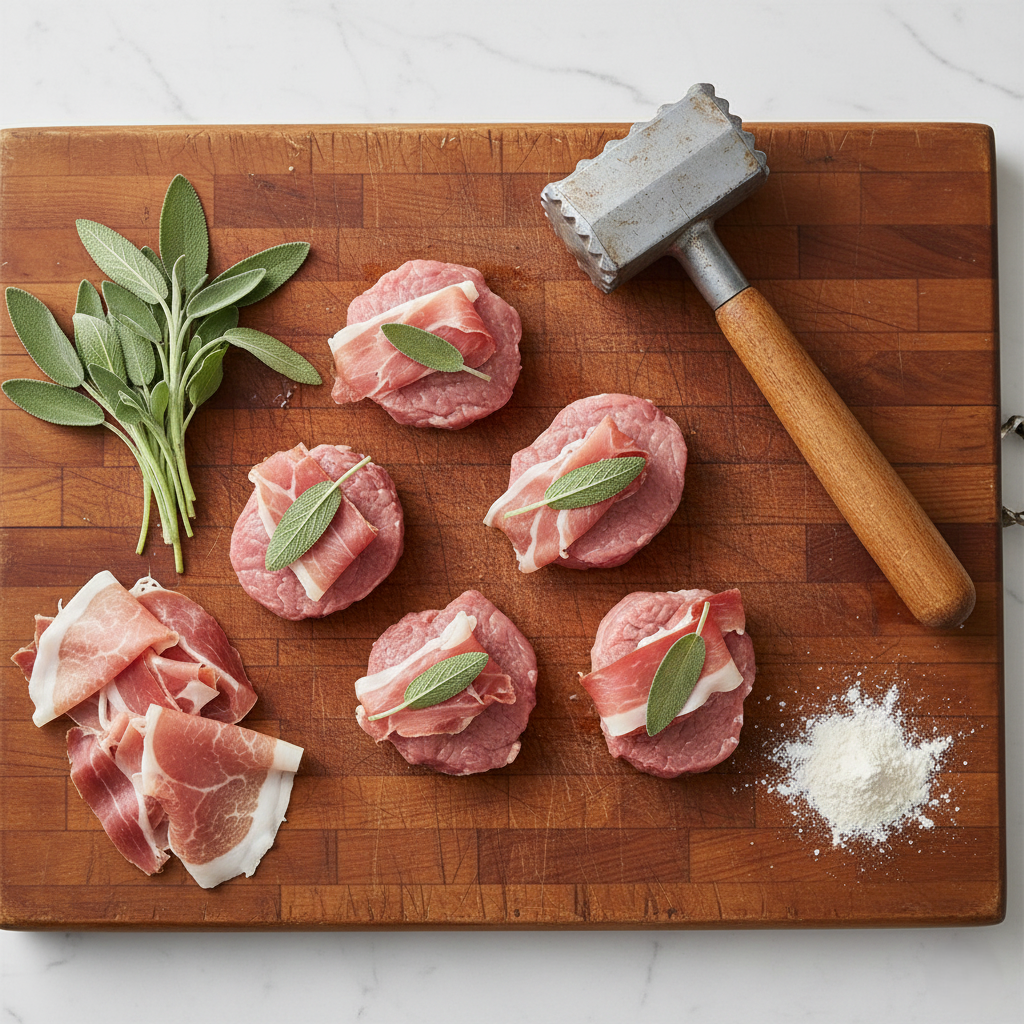
The Holy Trinity of Ingredients
Before we fire up the stove, let’s talk about our stars. This dish has nowhere to hide, so the quality of your ingredients matters.
- The Veal: You want “scaloppine” or top round, sliced thin. Veal is traditional for its subtle sweetness and tenderness, which balances the aggressive saltiness of the ham.
- The Prosciutto: Use Prosciutto di Parma or San Daniele. It should be sliced paper-thin so it crisps up quickly and adheres to the meat.
- The Sage: Do not use dried sage. It must be fresh. Fresh sage leaves fry in the butter, becoming crisp and releasing oils that perfume the entire dish. Dried sage will taste dusty and medicinal here.
The Recipe
- Prep time: 15 minutes
- Cook time: 10 minutes
- Servings: 2 (Perfect for a date night)
Ingredients
- Veal: 4 veal scallops (approx. 12 oz / 340g total), pounded to 1/4 inch thickness.
- Prosciutto: 4 slices of Prosciutto di Parma (one for each piece of veal).
- Sage: 4 large, fresh sage leaves (plus extra for garnish).
- Flour: ½ cup (60g) all-purpose flour, for dredging.
- Butter: 3 tablespoons (45g) unsalted butter, divided.
- Oil: 1 tablespoon (15ml) extra virgin olive oil.
- Wine: ½ cup (120ml) dry white wine (Pinot Grigio or Sauvignon Blanc work best).
- Seasoning: Freshly cracked black pepper (Salt is likely unnecessary due to the prosciutto, but taste at the end).
- Stock (Optional): ¼ cup (60ml) chicken stock if you want more sauce volume.
Equipment Needed
- Meat mallet or heavy rolling pin.
- Plastic wrap or parchment paper.
- Large stainless steel skillet (avoid non-stick if possible, to get a better crust).
- Toothpicks.
- Tongs.
Step-by-Step Instructions
Step 1: The Transformation (Pounding)
Lay a piece of plastic wrap on your cutting board. Place the veal scallops on top and cover with another sheet of plastic. Using the flat side of your meat mallet, gently pound the meat starting from the center and working outward. You want them thin—about 1/4 inch (6mm). Why? This ensures the meat cooks as fast as the prosciutto crisps, keeping it tender.
Step 2: The Marriage (Assembly)
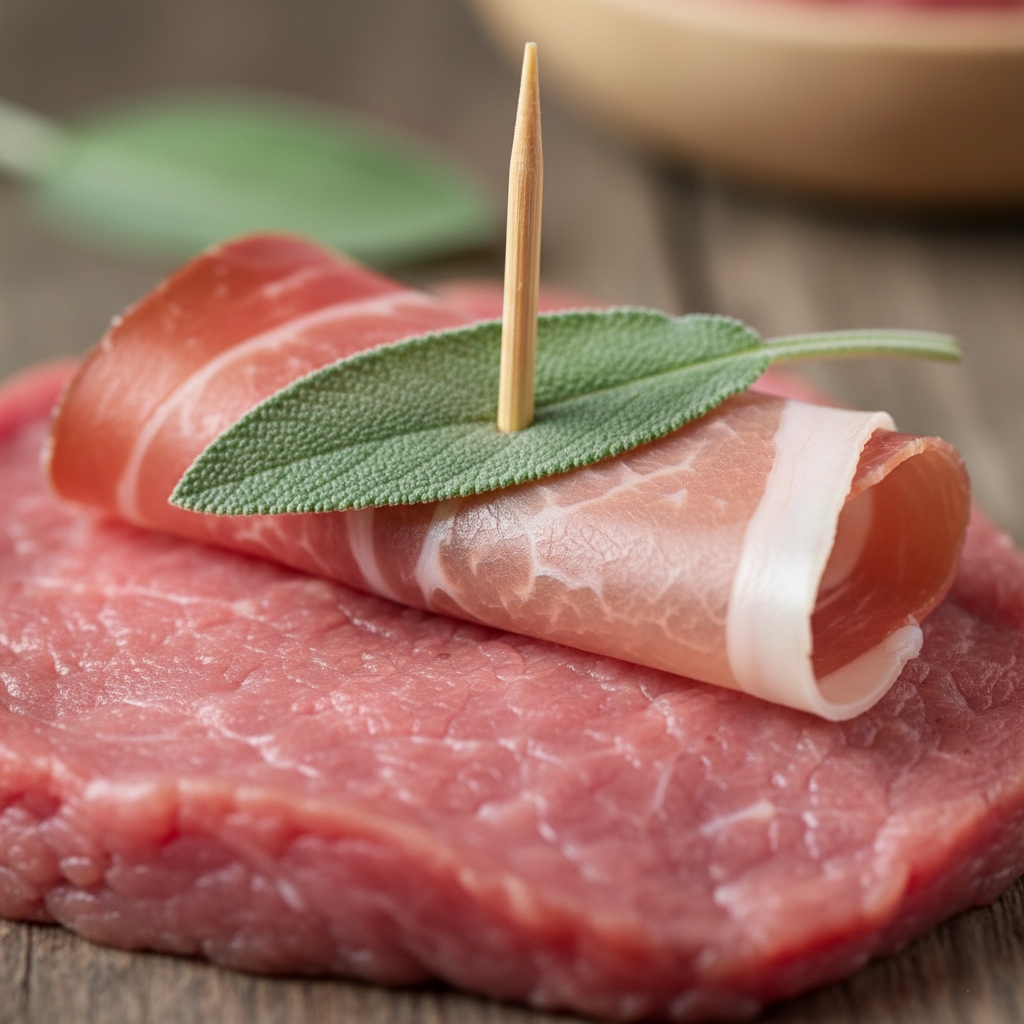
Remove the plastic. Lay a slice of prosciutto over each piece of veal. It should cover most of the meat; if it hangs over the edge, trim it or fold it back. Place a single, beautiful sage leaf in the center of the prosciutto.
Take a toothpick and weave it through the meat—go down through the sage and prosciutto into the veal, and back up again, pinning everything together like a tailor pinning fabric.
Step 3: The Dredge
Spread your flour on a large plate and season it with a generous crack of black pepper. Gently press the veal cutlets into the flour, but only on the bottom side (the plain veal side). Do not flour the prosciutto side. Chef’s Secret: This prevents the prosciutto from getting gummy and ensures a crisp sear on the ham. Shake off any excess flour. You want a dusting, not a winter coat.
Step 4: The Sizzle
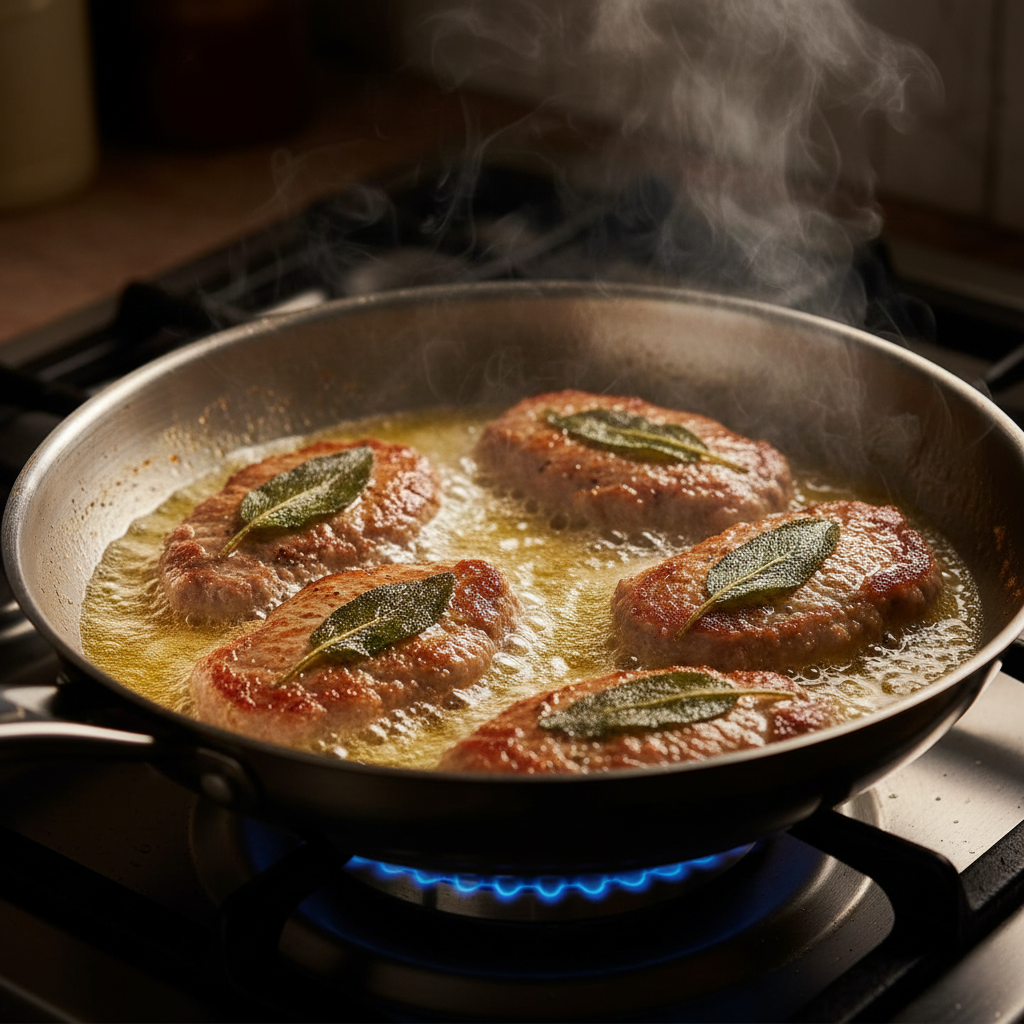
Place your large skillet over medium-high heat. Add 1 tablespoon of butter and the olive oil. Watch the butter. It will foam, then bubble. Once the foam subsides and it smells nutty (but before it burns!), you are ready.
Place the cutlets in the pan, prosciutto-side down first. Listen: You should hear an aggressive hiss. If it’s a whisper, the pan isn’t hot enough. Cook for about 2 minutes until the prosciutto is crisp and the sage is fragrant.
Flip the cutlets carefully. Cook the veal side for another 1-2 minutes until golden brown. Transfer the meat to a warm plate and set aside.
Step 5: Liquid Gold (The Sauce)
Your pan will look messy, filled with brown bits. This is flavor! Pour in the white wine. It will steam and bubble furiously. Use a wooden spoon to scrape up all those brown bits from the bottom of the pan.
Let the wine simmer and reduce by half (about 2 minutes). It will thicken slightly because of the flour left behind by the meat.
Step 6: The Finish (Mounting the Sauce)
Turn the heat to low. Add the remaining 2 tablespoons of cold butter to the sauce. Swirl the pan constantly until the butter melts and emulsifies into the wine. This creates a glossy, velvety sauce (a technique called monter au beurre).
Return the veal to the pan for just 30 seconds to warm through and coat it in that luxurious sauce.
Step 7: Serving
Remove the toothpicks (crucial step!). Plate two scallops per person. Pour the remaining buttery, wine-infused sauce over the top. Serve immediately while hot.
Chef’s Tips for Success
- The Salt Trap: I did not list salt in the seasoning step for a reason. Prosciutto is cured and very salty. Veal is delicate. Usually, the ham provides enough salinity. Taste your sauce at the very end; only add salt if you truly think it needs it.
- Crowding the Pan: If your skillet isn’t big enough, cook the veal in two batches. If you crowd them, they will steam instead of sear, and you will lose that delicious crust.
- Toothpick Etiquette: Always count how many toothpicks you used and ensure the same number come out before serving, especially for a romantic dinner!
- Wine Choice: The rule of thumb is: if you wouldn’t drink it, don’t cook with it. A crisp Pinot Grigio cuts through the richness of the butter perfectly.
Frequently Asked Questions
Q: Can I substitute the veal for another protein? A: Absolutely. While veal is traditional, this recipe works wonderfully with chicken cutlets (pounded thin) or even pork tenderloin medallions. Chicken Saltimbocca is a very popular variation.
Q: Can I make this alcohol-free? A: You can. Substitute the white wine with chicken stock and a squeeze of fresh lemon juice. You need that acidity to balance the fat, so do not skip the lemon if ditching the wine.
Q: What are the best side dishes to serve with Saltimbocca? A: To keep it Roman, serve it alongside sautéed spinach with garlic (cicoria ripassata) or roasted potatoes. A creamy polenta is also fantastic for soaking up the extra sauce.
Q: Can I prep this ahead of time? A: You can assemble the meat (pound, pin the sage and prosciutto) up to 4 hours in advance and keep it in the fridge. However, do not dredge it in flour until the moment you are ready to cook, or the coating will become soggy.
Q: My sauce broke and looks greasy. What happened? A: This usually happens if the pan was too hot when you added the final butter. The butter separated. To fix it, take the pan off the heat entirely and whisk in a teaspoon of cold water vigorously. It should come back together.
Bon Appétit!
Saltimbocca alla Romana is more than just a recipe; it is a testament to the beauty of simplicity. It combines the rustic charm of the Italian countryside with the elegance of Roman dining.
When you take that first bite—the crunch of the prosciutto, the herbal whisper of sage, and the tender, buttery veal—you will understand why this dish has stood the test of time. It hits every sensory note you crave.
So, pour yourself a glass of white wine, put on some Italian jazz, and let the food jump in your mouth. Tonight, you are dining in Rome.
Now, tie on that apron and get cooking!
Leave a Comment